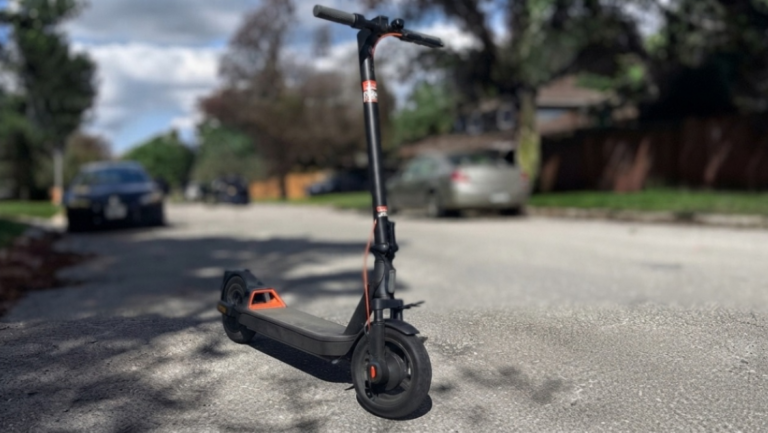
I’ve heard from residents who are increasingly concerned about e-scooters being used in town, particularly around schools, parks and areas with heavy pedestrian activity. Seniors have expressed concerns about their safety while walking outside, and medical professionals have also been raising awareness about the growing number of e-scooter-related injuries.
According to the Canadian Institute for Health Information, 837 Canadians were hospitalized due to e-scooter injuries in 2025–2026, a 39% increase from the previous year. Even more concerning, hospitalizations among children aged 15 and under nearly tripled, rising from 54 to 150 in just one year.
I share these concerns. E-scooters are becoming increasingly popular, especially among young people, but we need to make sure public safety keeps pace with changing transportation habits.
The issue, however, is more complicated than simply allowing or banning e-scooters. E-scooters are already prohibited from public roads, sidewalks, parks and trails in Bradford West Gwillimbury. Yet we continue to see them being used in these areas.
That raises an important question: Are our current rules and enforcement approach actually achieving the safety outcomes we want?
South Simcoe Police have taken an education-first approach, recognizing that many young riders and their parents may not fully understand the rules. Infact, they recently posted a great video explaining the rules, which you can view here. Deputy Chief Landry has also emphasized the importance of educating parents before moving directly to enforcement, which could result in young people appearing in provincial court and families facing fines.
I believe education needs to be a bigger part of the solution- inside the home and in schools. We need to do a better job of communicating the rules around e-scooters, particularly to parents and young riders, so everyone understands where they can and cannot be used and the risks involved.
At the same time, education alone may not be enough. We need to look at whether our current approach is working, where enforcement may be necessary and what additional measures could help protect pedestrians, seniors, children and other road users.
My priority is finding a practical, balanced approach that puts public safety first, improves awareness and ensures our rules are actually making a difference.
 Phone: 289 763 9274
 Mail: Raj4bwg@gmail.com